
a bird clock
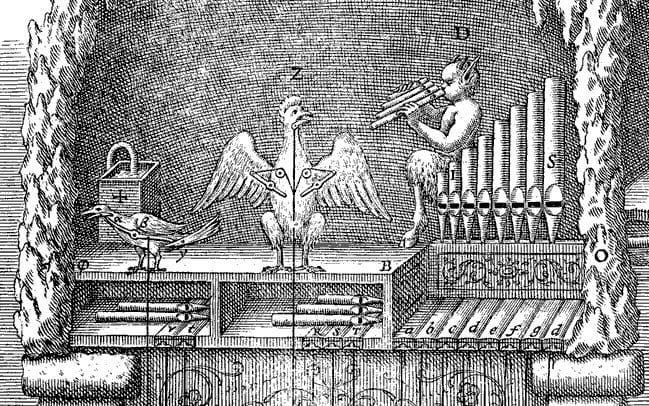
To mark the time as we cross particularly painful thresholds.
Fresh off a divorce at 50 and making a new life for herself and her daughters in London, writer Deborah Levy bought a clock that plays the song of a different bird every hour. “In the morning at seven the wren made its call to the real birds singing in the dark winter trees,” she writes in “The Cost of Living,” my favorite of her memoir trilogy. “At 4pm it was dark again when the great spotted woodpecker began to drill and drum. Returning home at night I could sometimes hear the nightingale.”
For a while I was puzzled by Levy’s decision to buy a bird clock. This eccentricity didn’t square with my image of the chic Booker Prize finalist who wore a pearl necklace everyday. But then I realized Levy had recently crossed a particularly painful threshold: soon after Levy moved out of the family home she shared with her ex, her mother fell fatally ill. “I lay awake all night waiting for a call from the hospital, each hour marked by the call of the various birds on my bird clock,” she writes in her memoir. “The nightingale sang just before midnight, as if it were perched in the boughs of the dripping tree in the car park.”
Reading the passage, I related to that need to be accompanied in time, the kinship of the nightingale in those dark, inky hours, and the recognition, in grief, that we are here to sense time, not navigate it.
3 days ago
Comments



Follow Kate
By submitting, you agree to our Terms and Privacy Policy