
the "voice figures" of Margaret Watts Hughes
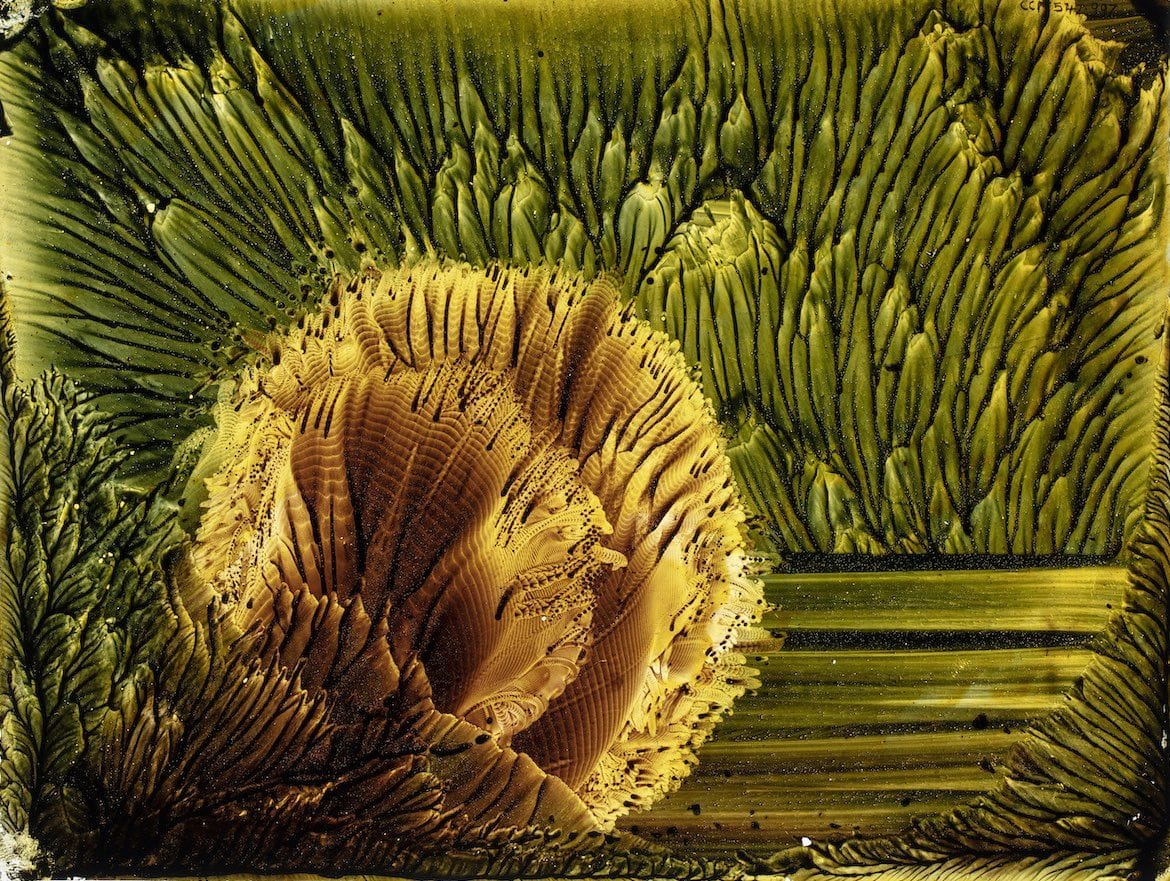
Margaret Watts Hughes (1842-1907) invented a device to visualize the human voice and named it the "eidophone"; from the Greek eidō (“to see”) and phōnḗ (“voice, sound”). As a singer and student of music, she was always experimenting with her voice. One day, she stretched sheet rubber over a receiver, attached a megaphone-like tube, and when she sang into the tube, she discovered that certain notes could transform pigmented liquids into geometric patterns and otherworldly shapes — daisies, shells and natural forms of all kinds. Later, she captured these shapes on glass plates, and called them “voice figures.” “I walked in the garden on one occasion after I had been singing a number of daisy forms into shape,” she told The Pall-Mall Gazette. “And the petals had become so familiar, I had the feeling as if I had only to sing under the stalk of one which was yet in the bud, and it would open.” She uncovered quiet, miniature worlds of beauty in the human voice.
4 days ago
Comments



Follow Kate Parkinson-Morgan
By submitting, you agree to our Terms and Privacy Policy